Natural fiber rugs have become increasingly popular as homeowners seek eco-friendly, sustainable flooring options. But not all natural fibers are the same — jute, sisal, and bamboo each have distinct characteristics that make them suited for different rooms and lifestyles. This guide explains the differences to help you choose the right natural fiber rug for your home.
What Are Natural Fiber Rugs?
Natural fiber rugs are made from plant-based materials that are harvested, processed, and woven into rugs without synthetic additives. They're biodegradable, sustainably sourced, and free from the chemicals found in synthetic alternatives. The three most popular natural fiber rug materials are jute, sisal, and bamboo.
Jute Rugs
Jute is a long, soft plant fiber extracted from the bark of the jute plant. It's one of the most affordable natural fibers and is known for its chunky, textured weave.
Texture and Appearance
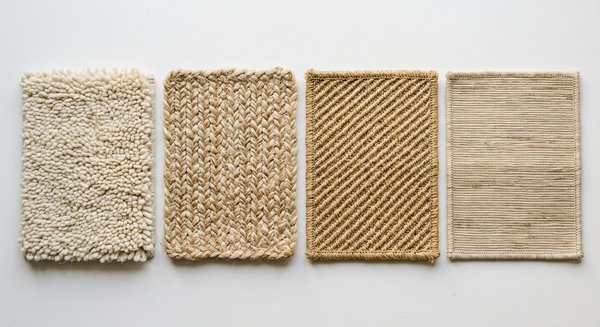
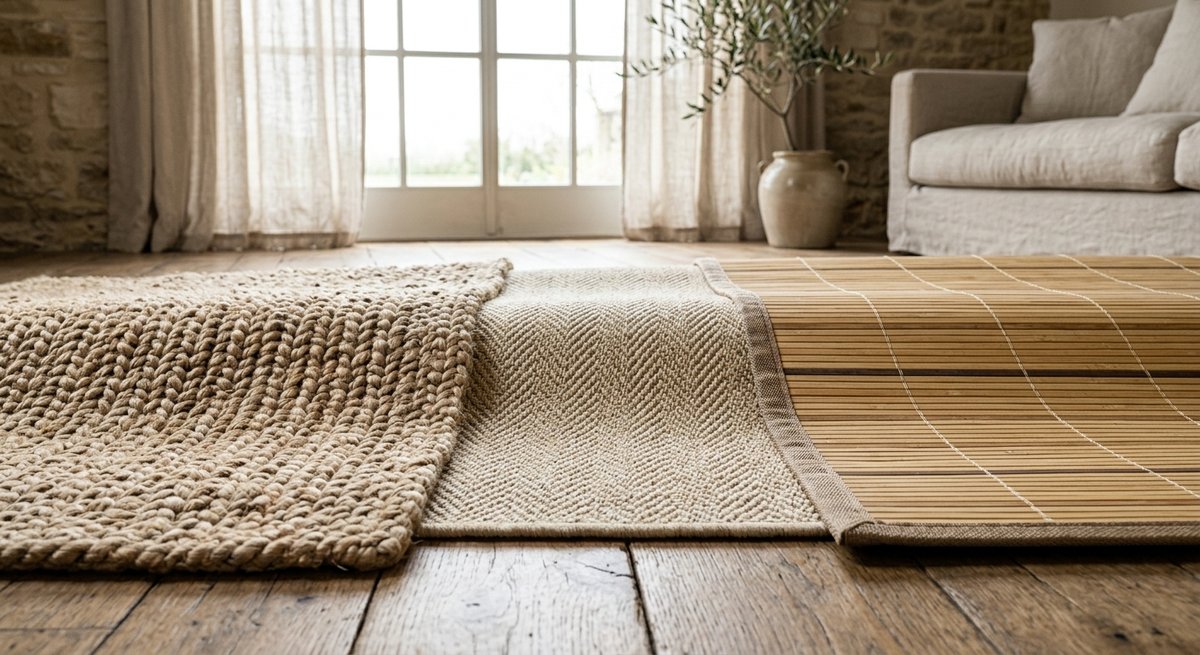
Jute has a soft, slightly coarse texture that feels pleasant underfoot — softer than sisal but not as smooth as wool. It weaves into a chunky, rustic look with visible fiber variations. Natural jute comes in warm tan and golden tones that add warmth to any room.
Durability
Jute is moderately durable. It handles regular foot traffic well but shows wear faster than sisal or wool in high-traffic areas. Expect 5-8 years of use with proper care in medium-traffic areas.
Maintenance
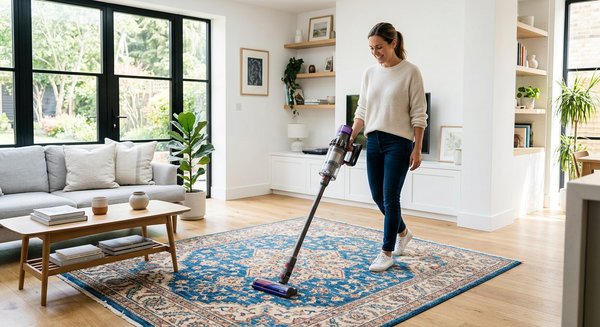
- Vacuum regularly without a beater bar
- Spot clean with minimal water — jute absorbs moisture and can stain
- Avoid placing in damp areas — jute can mildew
- Professional cleaning recommended every 12-18 months
Best Rooms
Bedrooms, living rooms, and low-traffic areas. Avoid bathrooms, kitchens, and entryways where moisture and heavy traffic are concerns.
Sisal Rugs
Sisal is extracted from the leaves of the agave plant. It's one of the most durable natural fibers available, making it the go-to choice for high-traffic areas.
Texture and Appearance
Sisal has a smooth, tight weave with a slightly rough texture. It's firmer than jute underfoot but not uncomfortable. The weave is typically flat and uniform, creating a clean, modern look. Natural sisal comes in cream, beige, and light tan tones.
Durability
Sisal is exceptionally durable — it outlasts jute and bamboo in high-traffic areas. Expect 8-12+ years with proper care. The tight weave resists crushing and maintains its appearance even in busy hallways.
Maintenance
- Vacuum regularly — sisal handles vacuuming well
- Spot clean immediately — sisal is absorbent and stains easily
- Use a dry cleaning method for stains — avoid excessive water
- Use a rug pad to extend life and prevent slipping
Best Rooms
Hallways, entryways, stairs, living rooms, and high-traffic areas. Sisal's durability makes it ideal for spaces where other natural fibers would wear out quickly.
Bamboo Fiber Rugs
Bamboo fiber rugs are made from the pulp of bamboo plants. They offer a smooth, low-profile surface with natural moisture-wicking properties.
Texture and Appearance
Bamboo fiber has a smooth, flat surface with a slight sheen. It's the smoothest of the three natural fibers and has a more contemporary look. The low pile height (typically 0.4 inches) works well under doors and furniture. Natural bamboo comes in light tan and sand tones.
Durability
Bamboo fiber is moderately durable — similar to jute. It resists shedding and holds its shape well in medium-traffic areas. Expect 5-8 years with proper care.
Maintenance
- Vacuum regularly with or without a beater bar
- Spot clean with mild detergent — bamboo handles moisture better than jute or sisal
- Naturally moisture-wicking and odor-resistant
- Natural rubber backing prevents slipping
Best Rooms
Kitchens, bathrooms, entryways, and areas where moisture is a concern. The low profile works well under doors and in transitional spaces.
Comparison Summary
- Softest: Jute (most comfortable underfoot)
- Most durable: Sisal (best for high-traffic areas)
- Most moisture-resistant: Bamboo (best for kitchens and bathrooms)
- Most affordable: Jute (budget-friendly natural option)
- Most modern look: Bamboo (smooth, low-profile surface)
- Most traditional look: Sisal (classic woven texture)
Which Natural Fiber Is Right for You?
- For bedrooms and living rooms: Jute — soft, warm, and affordable
- For hallways and entryways: Sisal — durable enough for heavy traffic
- For kitchens and bathrooms: Bamboo — handles moisture better than other natural fibers
- For a modern, low-profile look: Bamboo — smooth surface and thin profile
- For a rustic, textured look: Jute — chunky weave with natural character
- For maximum durability: Sisal — outlasts all other natural fibers
Conclusion
Natural fiber rugs offer a sustainable, eco-friendly alternative to synthetic flooring. Jute provides softness and warmth for bedrooms and living rooms. Sisal delivers unmatched durability for high-traffic areas. Bamboo offers moisture resistance and a modern look for kitchens and transitional spaces. By understanding the unique properties of each fiber, you can choose the natural fiber rug that best fits your room, lifestyle, and aesthetic preferences.